Making a Medal Using the Sand-Casting Process
by Alejandro M. Bustos
To understand this process of elaboration, I will describe it reduced to eight steps, supported by images of The Frick Collection, Making a Medal Using the Sand-Casting Process:
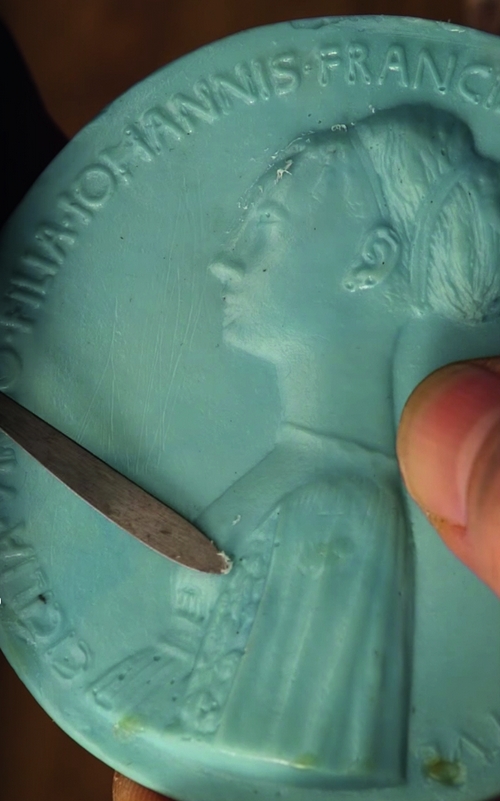
1.- The model was sculpted in wax.
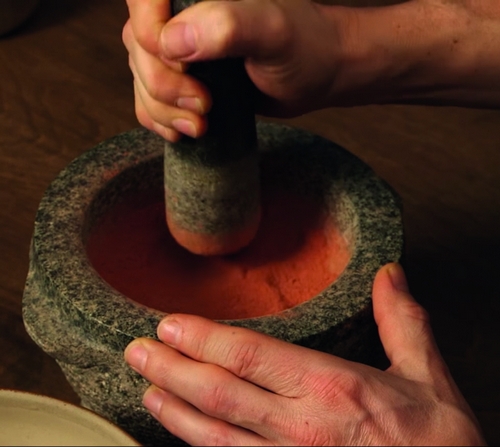
2.- The sand or clay was mixed with water or some other prepared liquid until a firm consistency was achieved according to the material used.
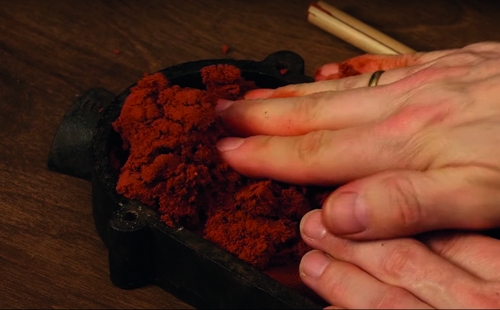
3.- One of the two metal rings, normally made of iron, that will make up the main structure of the mold, was taken, placing it on a flat surface to be filled with the previously prepared sand or clay, leaving the mixture very compacted.
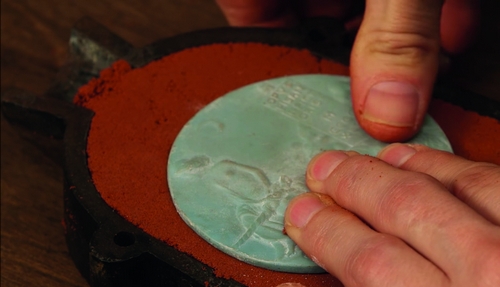
4.- The wax-sculpted model was strongly pressed onto the compacted sand or clay mixture to penetrate the design, sprinkling lime on top to prevent the sand or clay placed in the second metal ring from sticking.
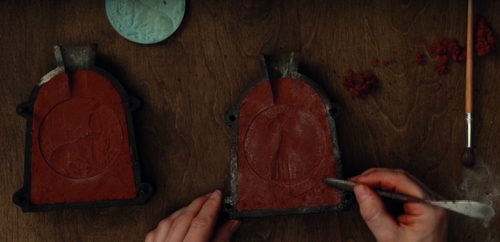
5.- Once the two metal rings had been sealed, they were allowed to dry and then the wax model was removed and the negatives on the front and back were placed on the sand poured into each of the respective metal rings.
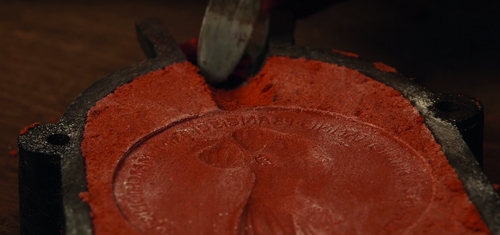
6.- Part of the sand was removed from the negatives to generate a pouring cup through which the metal was poured in liquid state. In addition, gutters or slits were made as vents to let the gases generated by the hot metal escape.
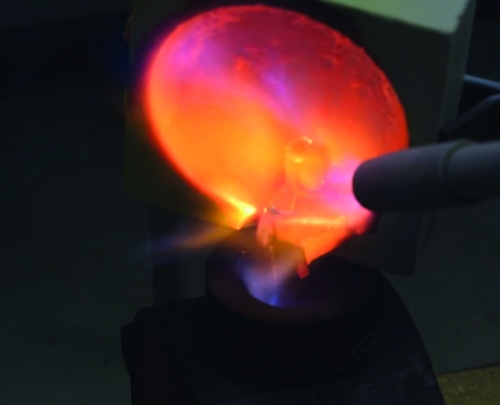
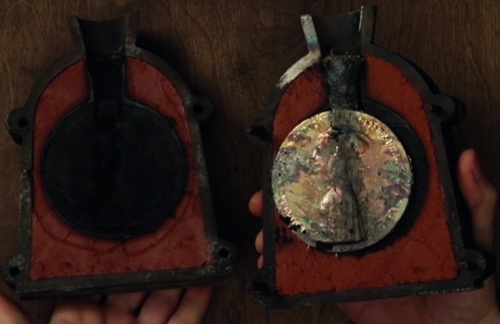
7.- Having done the above, the molds were joined and secured, pouring the metal in a liquid state into the mold, waiting for its cooling (solidification) to be able to separate the two metal rings.
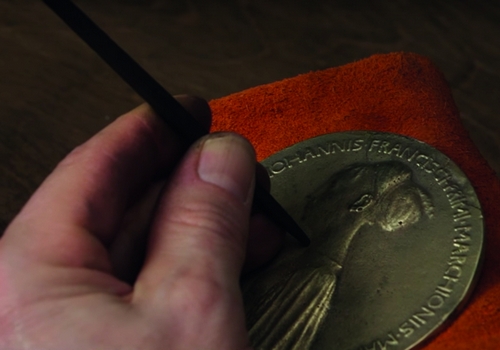
8.- They removed the excess metal with jigsaw blades or sandpaper, removing the excess metal from the fields with wire brushes and retouching details with chisels. The final result of each medal depended on the skill and care of the executor during this process.
A large number of medals made using the technique of casting in sand molds took designs from other medals, particularly from designs created in Spain such as the case of the Grove PV-1 with respect to the Cadiz medal. Another interesting case is the one listed by Frank W. Grove as C-90 in which an 8 Reales or 8 Escudos of the time was taken as the basis for its creation, modifying certain elements on both sides. On the obverse, the legends of the coin persisted. The last two digits of the date were roughly modified and the ordinal is IV but the bust is of Charles III. Neck collar lines were added as a piece of the 8 Escudos, a detail to achieve "greater elegance". On the reverse, part of the design of the medal of Charles III, originally designed by the Spanish Master engraver Tomás Francisco Prieto, Director of the Royal Academy of Fine Arts of San Fernando, cataloged by Herrera under the numeral 24 was taken, with partial legends of the 8 Reales coin of the and the text NUEVO MEXICO crudely added.